Product detail

AIC Violet Dioxazine Pigment

Reddish dioxazine violet pigment suitable for solvent systems, offset inks, and paints, with high light resistance.

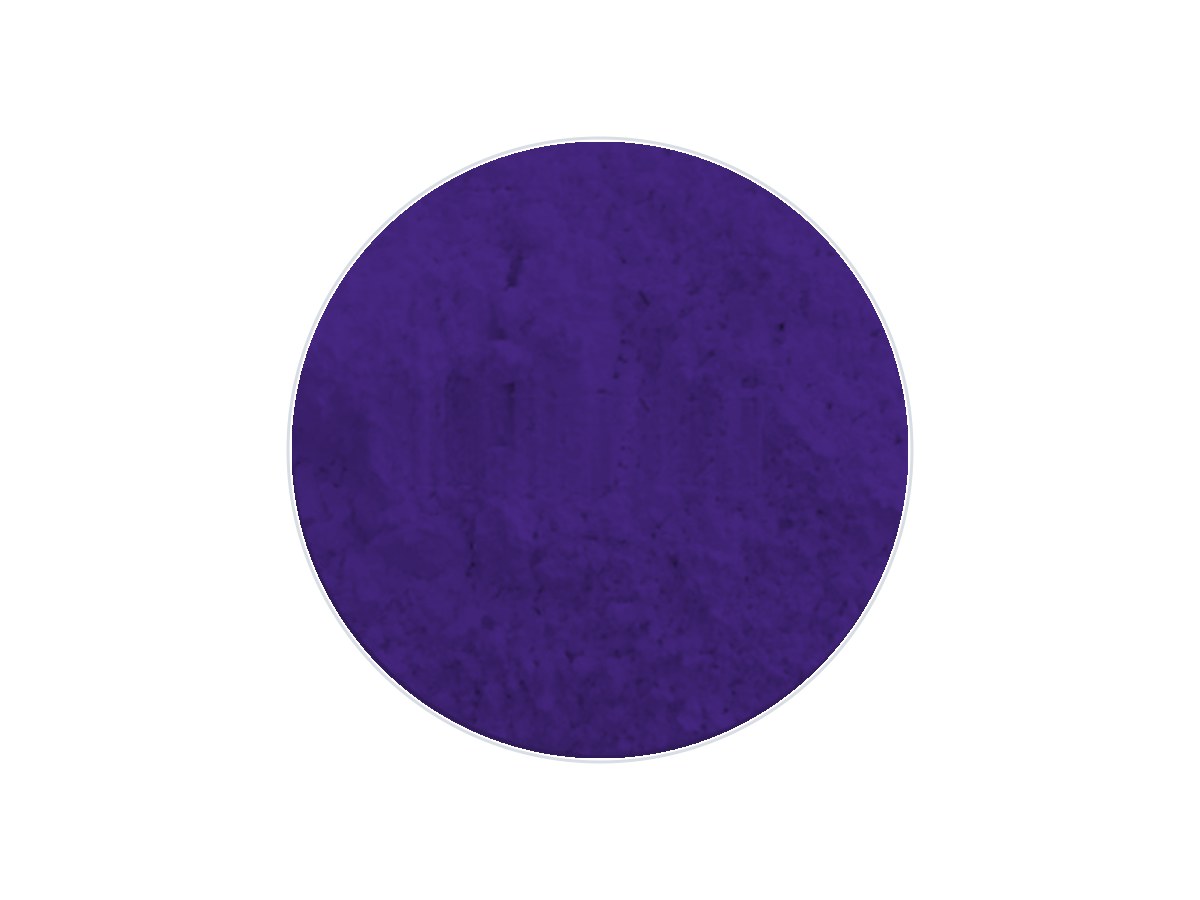
AIC Violet Dioxazine Pigment product visual
Colour reference — not a photograph of the packaging.

At a glance

Division
Manufacturing - MANSON
Documents
Overview public · full TDS on request

Used in

All Pigments, Resins, Hardeners and Solvents products

Public specifications

Public product overview for technical selection.

Substrates

Offset ink systemsSolvent-based ink systemsPaint systems

Applications

Offset inkSolvent inkPaint

Technical specifications

  • Chemical family: dioxazine
  • Linseed oil resistance 5
  • Water resistance 5
  • Alkali resistance 5
  • Acid resistance 5
  • Paraffin wax resistance 5
  • Light resistance 7-8
  • Heat resistance 200 C
  • Reddish shade, suitable for solvent systems

Compliance notes

Pigments

Specifications are published from the product Technical Data Sheet. Performance depends on the substrate, its surface condition, environmental conditions, and equipment settings — test under actual production conditions before full-scale use. The complete TDS is shared after registration and AIC review.

Next step

Questions & answers

What customers ask about this product.

What is AIC Violet?

A dioxazine organic pigment. Resistance ratings: 5 for linseed oil, water, alkali, acid and paraffin wax on a scale where 5 is excellent; light resistance 7 to 8 on a scale where 8 is outstanding; heat resistance to 200 °C. The shade is reddish and the pigment is suitable for solvent systems.

What is it used for?

Offset inks, paints and solvent inks.

What does it do well?

Light resistance of 7 to 8 is outstanding for an organic pigment and makes it suitable where the finished article is exposed. Full marks across oil, water, alkali, acid and wax resistance. Heat resistance to 200 °C covers most coating and ink processing.

What does it not do well, and what should I use instead?

Dioxazine violet is a high-strength, transparent pigment — it is not an opacifying colour and will not hide a substrate on its own. Where opacity is needed, formulate with titanium dioxide or an opaque pigment alongside it.